Temple HISTORY
LEGACY OF DEVOTION
Temple Journey Through the Years
A spiritual timeline showcasing the growth, traditions, and milestones of our temple — preserving culture, devotion, and community service across generations.
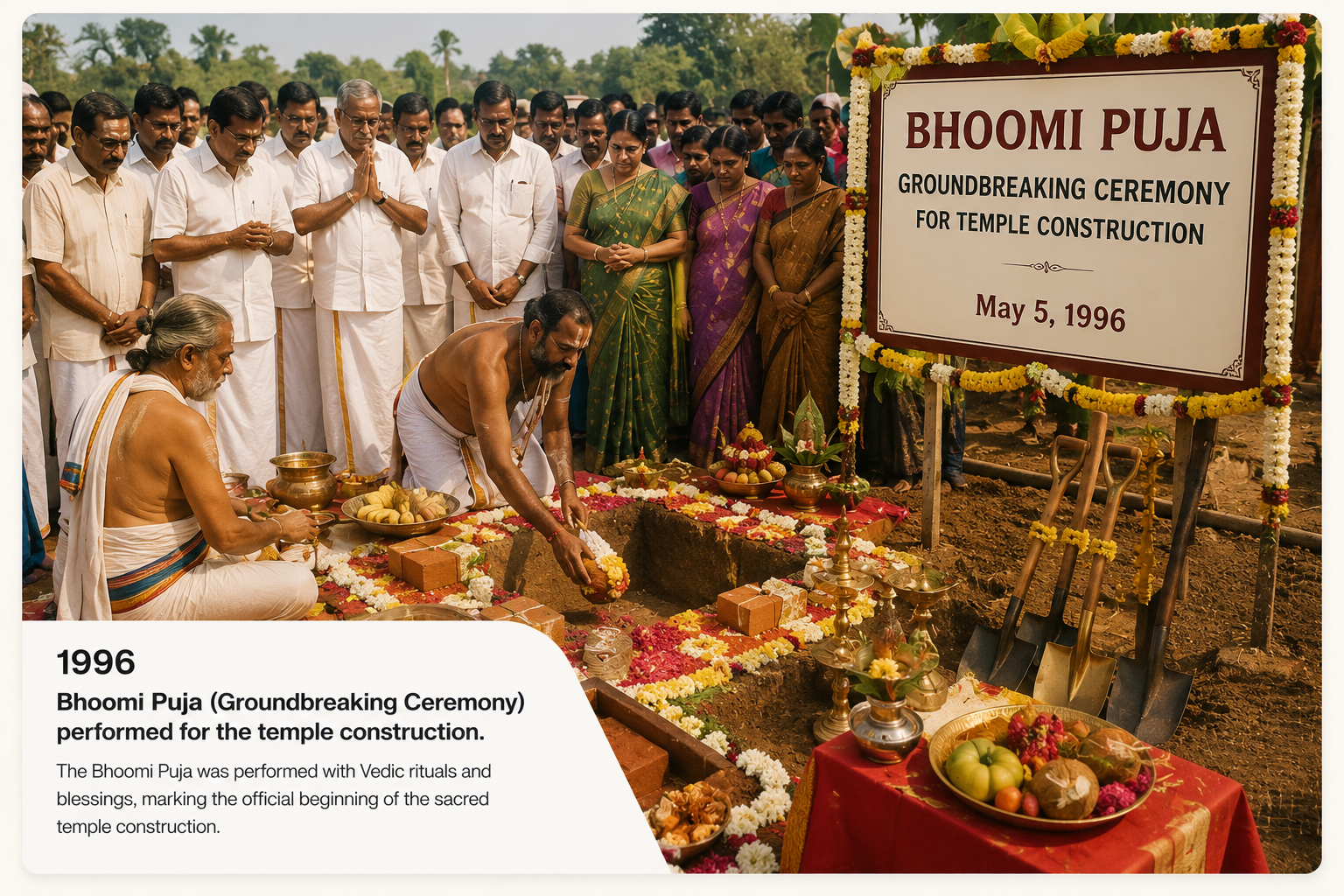
HTCS opened its doors at 780 Old Farms Road after acquiring the property at auction, beginning the Temple’s journey of service, devotion and community.
Know More
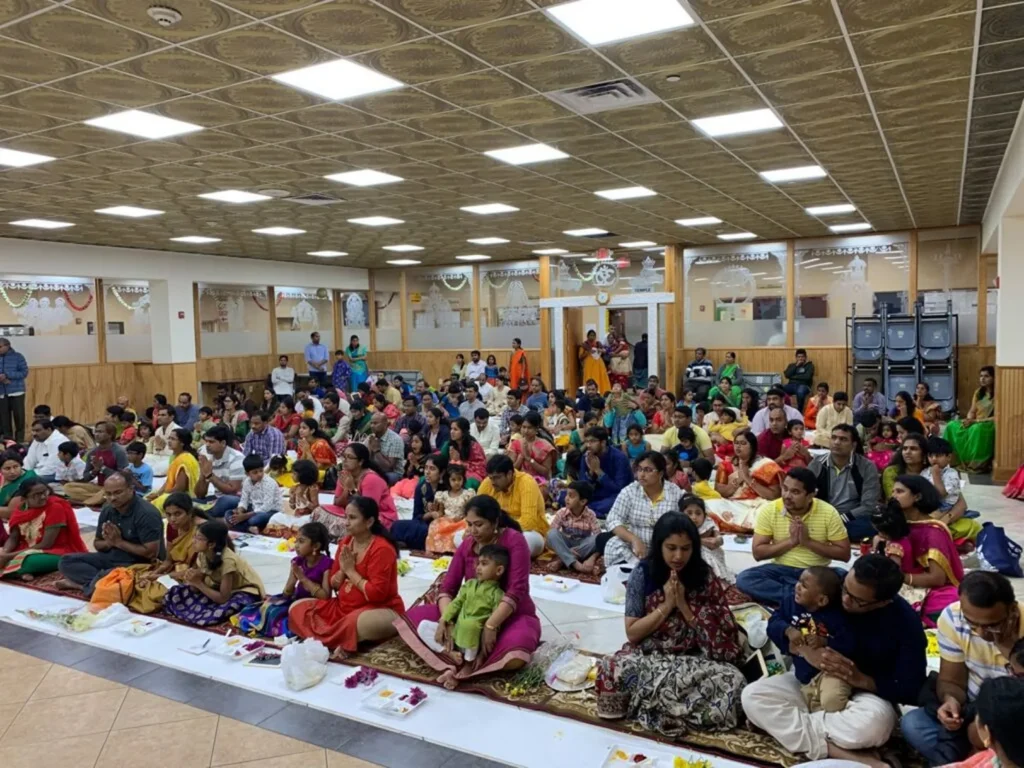
HTCS began with one manager, one priest and dedicated volunteers. Weekend operations grew into an authentic Hindu Temple through community support and devotion.
Know More
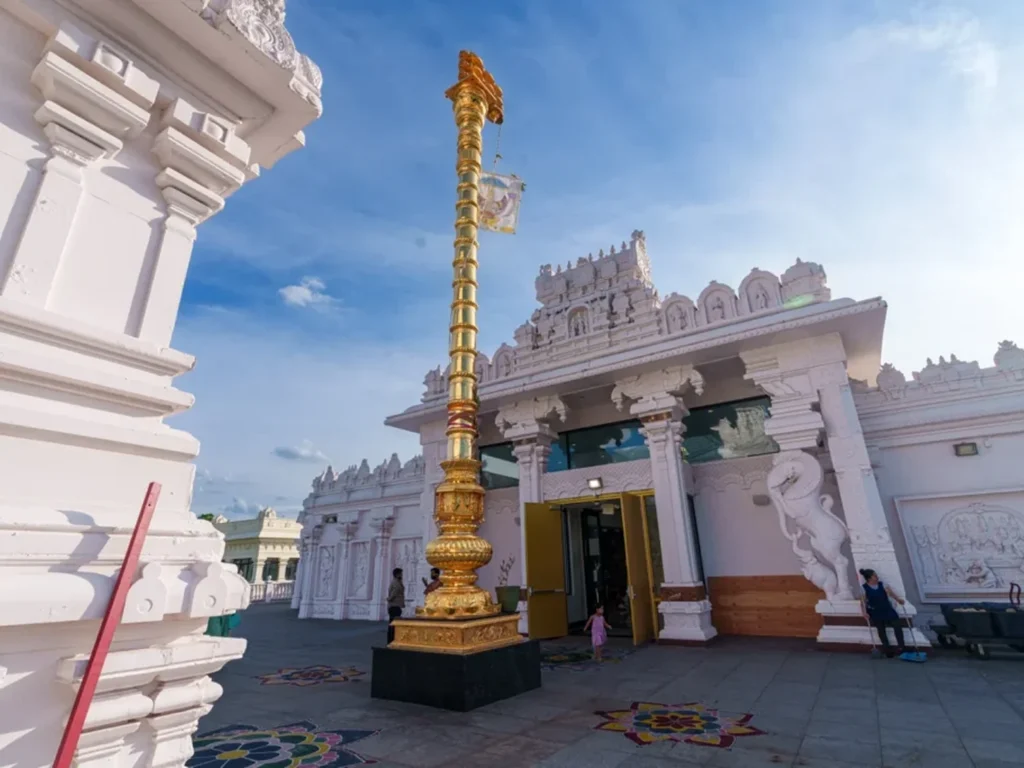
HTCS conducted its first Kumbhabhishekam, introduced GRC technology, expanded services, completed Prakar construction and acquired additional properties for future Temple development.
Know More
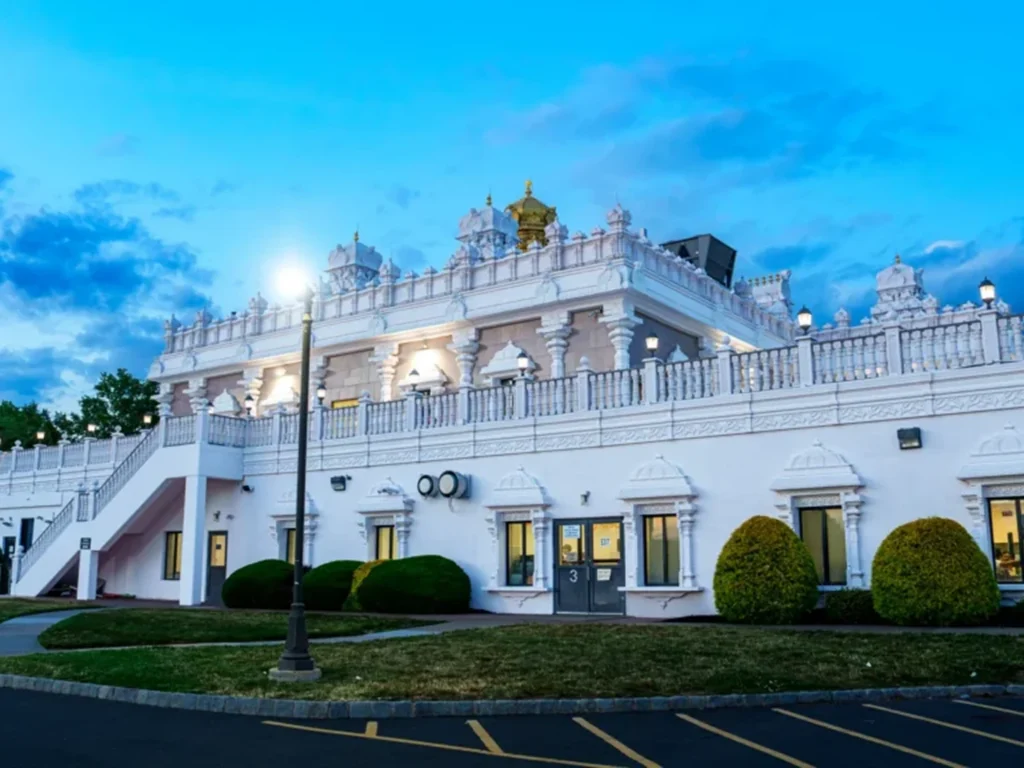
HTCS advanced its master plan through state and federal approvals, supporting Temple expansion, Yagasala, priest quarters, Cultural Center and necessary traffic improvements.
Know More
HTCS received approval for parking expansion of approximately 500 spaces, including a parking deck, supporting continued Temple growth and future community needs.
Know MoreTemple Journey Through the Years
A spiritual timeline showcasing the growth, traditions, and milestones of our temple preserving culture, devotion, and community service across generations.
1992
HTCS Opens Its Doors
1992–1998
Building the Temple
1998–2010
Growth & Expansion
2004–2009
Master Plan & Development
2019-Present
Continued Development
1992 - 1998
HTCS was operated with one manager and one priest and all other activities were taken care of by Volunteers.
- Temple opened with week end hours (Sat.& Sun.) only. Cafeteria was run by devotee families bringing cooked food(pulihora & curd rice) from home.
- Successfully built an authentic Hindu Temple with funds raised by donations and personal loans.
- HTCS takes pride, making Bridgewater temple as the first Venkateswara temple built with modern GRC technology replacing Sthapathi hand molded plastered work.
- Conducted 1st Kumbhabhishekam in 1998, which is a major milestone in this temple's history.
- Hired more priests and HTCS started generating income.
Increased the number of trustee positions from 9-25 to accommodate more active volunteers.
1992
HTCS Opens Its Doors
- HTCS opened its doors at 780 Old Farm Road after acquiring the property at auction, beginning the Temple's journey of service, devotion and community.
1998 - 2010
HTCS was operated with one manager and one priest and all other activities were taken care of by Volunteers.
- Based on income generated by HTCS, acquired 1st Bank financed loan to pay-off all the personal loans borrowed from the devotees.
- Completed Prakaram construction with cafeteria and class rooms, followed by moving restrooms to outside of the temple footprints to underside of the prakaram.
- Acquired 4 properties facing rt 206, owned by families for generations by direct negotiations by HTCS members without any RE brokers.
- Prepared master plan as suggested by the TWP planner, that included temple expansion with Yagasala, priest quarters and the Cultural center.
- Master plan approval took 2004-2009, which included denials by the TWSP and moving from state to federal court, finally reached settlement in the Federal court with mutual agreement signing M.O.U, TWSP imposing several conditions to satisfy the local residents.
Master plan approval took 2004-2009, which included denials by the TWSP and moving from state to federal court, finally reached settlement in the Federal court with mutual agreement signing M.O.U, TWSP imposing several conditions to satisfy the local residents.
Such as:
- Moving temple entrance from old farm road to Rt.206, without disturbing any residents along rt.206 and Brown Road.
- HTCS Engineer ended up replacing as he could not satisfy NJ state requirements without disturbing the residents along brown road and residents on rt 206 east side.
- HTCS ended up hiring another Engineering Company from New York, who came up with new traffic studies, satisfying the NJ state by widening west side of the rt 206, taking temple property only for the required middle turning lane space.
- Cultural center approval included 20,000 sq. ft of FAR and 14,000 sq. ft of covered area (verandas) and 6,000 sq. ft of basement area.
- Took care of major construction projects that were already approved by the TWSP.
- During the construction of the Cultural center, TWSP changed FAR requirements by including covered areas as part of FAR, which helped HTCS to enclose verandahs by providing heating and increasing FAR by another 14,000 sq. ft.
Om Namo Venkatesaya
Om Namo Venkatesaya